









Understanding the Destructive Mechanisms of Foaming and Cavitation in Marine Engines

Emulsification is a major threat to lubrication systems when water contaminates the oil. This article examines its causes and damaging effects, while providing effective solutions to address the ...

Additives are merely the “vitamins”; base oil is the “backbone” that determines up to 95% of a lubricant’s quality. This article explores the five API base oil groups in detail, helping you ...
Viscosity is key to engine protection. Temperature, shear, oxidation, and soot can alter viscosity, weakening the oil film and increasing wear. This article explores viscosity changes, Viscosity ...

Does engine oil turning black quickly really indicate that the oil has deteriorated? This article explains why the dark color can actually be a “positive sign,” indicating that the oil is working ...

To protect the gearbox, we need a protective “armor” of lubricant. This is where technology comes into play.

In Part 1 and Part 2, we explored IMO 2020 and the challenges of operating on VLSFO. As these challenges grow, engine lubricants play an increasingly vital role in protecting engines and ensuring ...

In Part 1 of this series, we explored the key requirements of IMO 2020. The transition to Very Low Sulfur Fuel Oil (VLSFO) was a necessary step forward, but it also opened a new chapter of technical ...
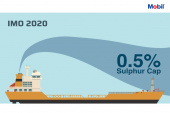
Since January 1, 2020, the International Maritime Organization (IMO) regulation limiting sulfur content in marine fuels has officially changed the game. This is not merely a compliance challenge, but ...

Another big success in lowering carbon
