




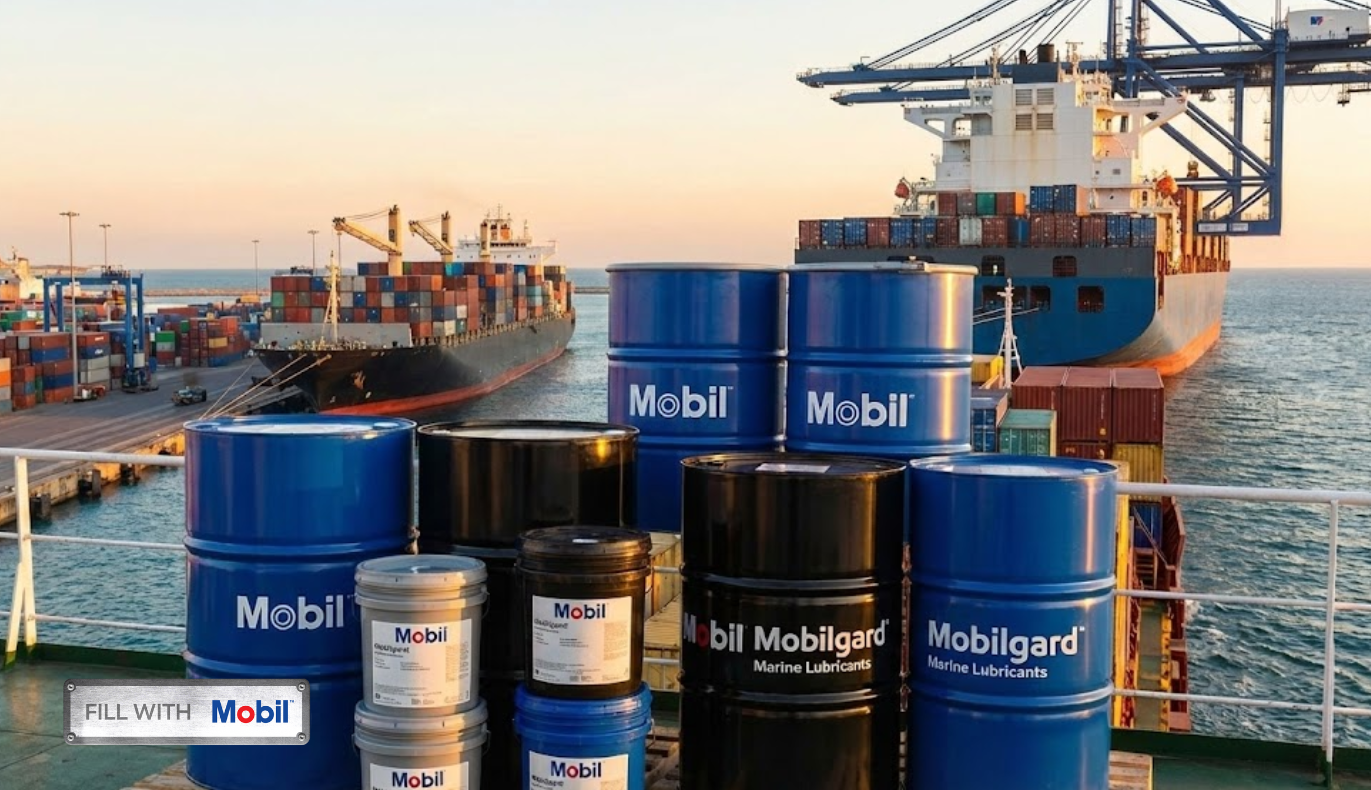
Combating Corrosion, Scuffing, and Cylinder Bore Polishing: Mobil’s Advanced Protection Solutions

Friday, 12/12/2025, 16:00 GMT+7

1. Enemy No. 1: Acid Corrosion

Fuel combustion generates strong acids, such as H₂SO₄ (sulfuric acid). If left uncontrolled, these acids can gradually corrode internal engine metal surfaces, including pistons, piston rings, and cylinder liners.

Engine oils contain alkaline additives, measured by the Total Base Number (TBN), to neutralize acids. This not only helps prevent chemical corrosion but also preserves metal surface integrity, enabling components to better withstand mechanical wear.

2. Enemy No. 2: Deposits and Their Direct Link to Cylinder Damage

Deposits are a major cause of serious mechanical damage. Technical documentation clearly distinguishes between two types of harmful deposits:

Hard Deposits (Varnish) - Hard deposits form and accumulate on heated components, such as piston rings and pistons. Their effects on cylinder liners are significant:

  • Ring Sticking: Hard deposits cause piston rings to stick, reducing their sealing capability and resulting in power loss.

  • Liner Wear: When piston rings become stuck or covered with deposits, their ability to scrape and retain oil is reduced. This can lead to abnormal wear, including cylinder liner wear.

(Illustration: Hard Deposits)

Cylinder liner wear caused by the continuous abrasion of hard deposits is one of the mechanisms that can lead to Bore Polishing.

Sludge consists of suspended particles that agglomerate and settle at the bottom of the engine. The greatest danger posed by sludge is its potential to obstruct the lubrication system:

  • Blockages: Sludge can clog oil passages, filter screens, or the oil pump.

  • Insufficient Lubrication: When oil cannot circulate properly, the engine may suffer from insufficient lubrication and poor lubrication performance, particularly during start-up.

When an engine operates under heavy loads without adequate lubrication, the protective oil film between the pistons/piston rings and cylinder walls can break down. This results in direct metal-to-metal contact, causing Scuffing—which can lead to severe damage and potentially catastrophic engine failure.

3. Protection Solutions: The Role of High-Quality Lubricants

Banner_promo

Even a high-value engine can suffer serious damage if the wrong lubricant is selected. A high-quality lubricant is not simply “clean” oil; it is formulated to combat harmful deposits.

The solution lies in an advanced detergent additive system. These additives perform two key functions:

  • Detergency: Actively cleans sludge and hard deposits from the engine, removing deposits that may cause piston ring sticking and cylinder bore polishing.

  • Dispersancy: Keeps contaminants suspended in the oil and carries them toward the filter, preventing them from agglomerating into sludge that can block oil passages.

Choosing a low-quality lubricant simply because of its lower initial price can result in repair costs amounting to tens of millions of Vietnamese dong due to wear, piston ring sticking, and cylinder damage. Selecting the right high-quality lubricant with an advanced detergent additive system is a way to keep your engine running reliably and efficiently.

This is a fundamental solution for addressing the root causes of scuffing and bore polishing, helping reduce operational risks, maintain reliable vessel schedules, and protect long-term operating costs.

Your Comments

Other news

B30 VLSFO: A Cost-Effective Green Fuel Solution Without Engine Incidents
Decarbonization pressure from stringent EU regulations (FuelEU Maritime, RED III) has placed shipowners in a tough position: How can they cut greenhouse gas (GHG) emissions without disrupting ...
Foaming and Cavitation: When Tiny Bubbles Quietly
Understanding the Destructive Mechanisms of Foaming and Cavitation in Marine Engines
Lubricant Emulsification: The Risks of Water Ingress into the System
Emulsification is a major threat to lubrication systems when water contaminates the oil. This article examines its causes and damaging effects, while providing effective solutions to address the ...
API Base Oil Classification: Understanding the Differences Between
Additives are merely the “vitamins”; base oil is the “backbone” that determines up to 95% of a lubricant’s quality. This article explores the five API base oil groups in detail, helping you ...
Viscosity Decrease or Increase: Which Is the Real Concern?
Viscosity is key to engine protection. Temperature, shear, oxidation, and soot can alter viscosity, weakening the oil film and increasing wear. This article explores viscosity changes, Viscosity ...

Engine Oil Turning Black: Degradation or an Active Protective Mechanism?
Does engine oil turning black quickly really indicate that the oil has deteriorated? This article explains why the dark color can actually be a “positive sign,” indicating that the oil is working ...

The Evolving Role of Lubricants and the Importance of Base Number (BN)
In Part 1 and Part 2, we explored IMO 2020 and the challenges of operating on VLSFO. As these challenges grow, engine lubricants play an increasingly vital role in protecting engines and ensuring ...

An In-Depth Analysis of the Technical Challenges of Operating Engines on VLSFO
In Part 1 of this series, we explored the key requirements of IMO 2020. The transition to Very Low Sulfur Fuel Oil (VLSFO) was a necessary step forward, but it also opened a new chapter of technical ...

Understanding IMO 2020 and Lubrication Solutions
Since January 1, 2020, the International Maritime Organization (IMO) regulation limiting sulfur content in marine fuels has officially changed the game. This is not merely a compliance challenge, but ...
Assessing the impact of future emission reductions
Another big success in lowering carbon
